 The Federal Tax Authority (FTA) has announced that businesses must complete Corporate Tax registration within 90 days from the Date of Incorporation / MOA.
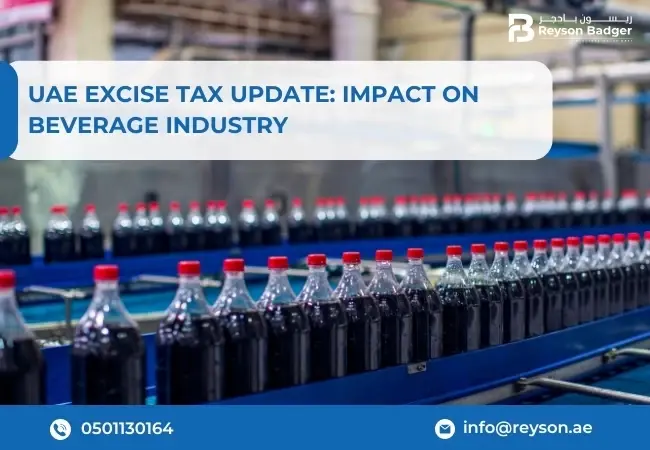


The UAE's excise tax system, initially introduced in 2017, was designed to reduce the consumption of harmful goods such as tobacco, energy drinks, and sugary beverages. Recently, the government announced an update specifically targeting sweetened beverages, aligning taxation more closely with sugar content rather than a flat rate. This marks a shift towards a more health-focused and transparent approach. For businesses affected by these changes, especially those in the beverage industry, seeking excise tax advisory services in UAE can help ensure compliance and strategic planning under the new rules.
A major feature of the new system is the sugar-based calculation, which varies the excise tax rate depending on the sugar level in beverages. This change reflects the UAE’s commitment to combating obesity and related health issues through fiscal measures.
What Has Changed and When?
Old vs. New Tax Model
Old Model: A flat excise tax rate of 50% applied uniformly to all sugary drinks, regardless of sugar content.
New Model: The tax rate now varies based on the sugar concentration, creating tiers of taxation.
1. Beverages with less than 5 grams of sugar per 100 ml remain exempt.
2. Beverages containing 5 grams to less than 8 grams of added sugar or sweeteners per 100 ml face a reduced tax rate of 25%.
3. Beverages containing 8 grams or more of added sugar or sweeteners per 100 ml are taxed at the full 50% rate.
Effective Date and Important Amendments
- The new regulation officially took effect on July 1, 2025.
- Manufacturers must now evaluate the sugar content of their products and adjust formulations or labels accordingly.
- Businesses affected by the new policy must ensure they are registered for excise tax in a timely manner to comply with updated obligations.
Scope of Changes & Compliance Impact
- Increased emphasis on product formulation.
- Enhanced labeling requirements to specify sugar content.
- Need for accurate nutrition data and documentation for customs and tax authorities.
Why Does This Change Matter?
- Promotes Public Health: By taxing high-sugar beverages more heavily, the UAE aims to discourage excessive sugar consumption, reducing health risks such as obesity, diabetes, and cardiovascular diseases.
- Aligns with Global Policies: The new system aligns the UAE with international best practices, where taxes are based on sugar content, as seen in countries like Mexico and the UK.
- Transparency for Consumers: Clearer labeling and differentiated tax tiers enable consumers to make informed choices and understand the sugar levels in their preferred drinks.
Impact on Beverage Manufacturers
- Reformulation Pressure: Manufacturers are encouraged to reduce sugar content to benefit from lower tax rates or avoid higher taxation entirely. Reformulation becomes a strategic priority to remain competitive.
- Labeling and Compliance Changes: Companies must update their product labels to display accurate sugar content per 100 ml and ensure compliance with new reporting standards. Failure to do so could lead to penalties or delays in market access.
FTA Guidelines and Implementation
The Federal Tax Authority (FTA), in collaboration with the Ministry of Finance, has issued detailed guidance on the new tax regime:
- Transition period: Allowing businesses time to audit and reformulate products.
- Enforcement: Strict in implementing the tiered tax structure starting from July 1, 2025.
- Supporting measures: Workshops and advisory services offered to assist companies in understanding the new requirements.
Conclusion
The UAE’s update to the excise tax on sweetened beverages exemplifies a strategic move towards healthier consumption habits and greater transparency. Manufacturers and importers must proactively review their product portfolios and labeling practices to ensure compliance with the new sugar-based tax system.
This change not only aligns the UAE with global health initiatives but also underscores its leadership in integrating fiscal policies with public health objectives. Embracing reformulation and transparency ahead of compliance deadlines will position businesses to thrive under this progressive regulatory environment. while professional VAT services in Dubai can further support beverage companies in staying compliant with overall tax requirements.